
Our story
History and Architecture
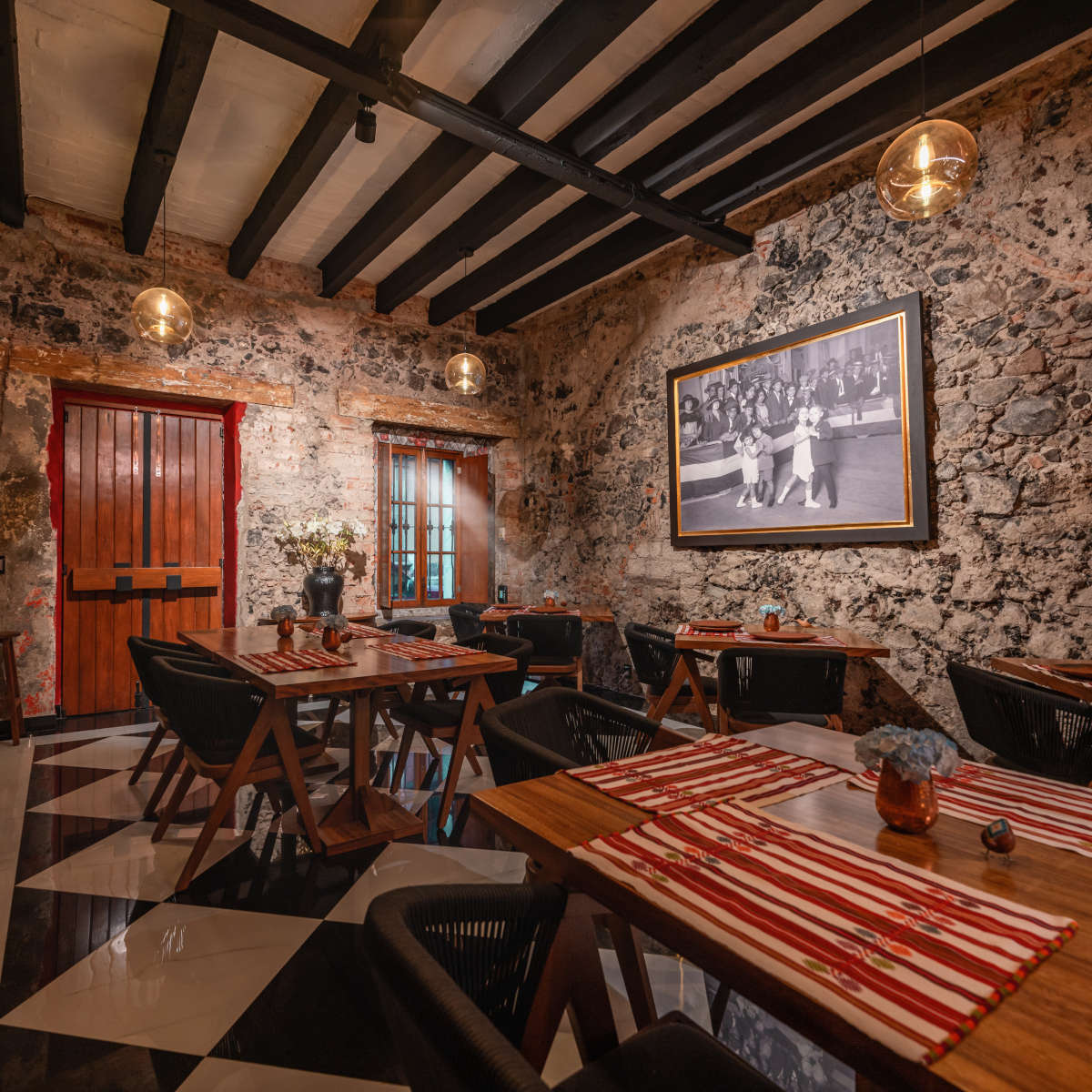
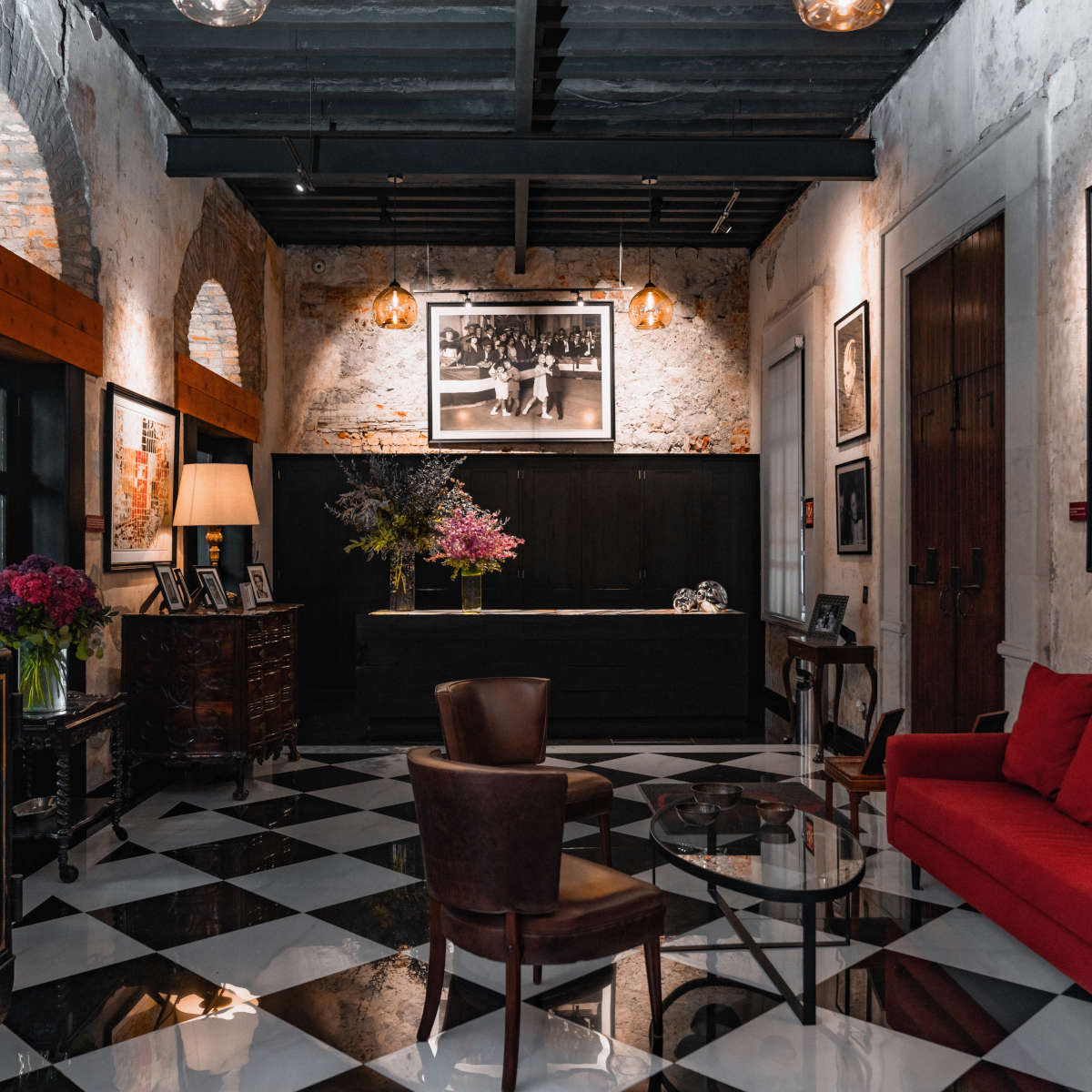
The Old Mill of San Jerónimo is a living example of Mexico City’s rich history. Built upon the ruins of a 17th-century mill, its main activity was the grinding of cochineal, from which the exclusive dye known as Mexican red cochineal was obtained—the same dye that gives the space its distinctive color today. This building has been meticulously restored to preserve its original essence. Its stone walls, arches, and the remnants of volcanic stone millstones embedded in various walls, along with other architectural details, evoke a bygone era, while its modern and luxurious facilities offer a contemporary experience.

The Old Mill of San Jerónimo has an explanation of its owners’ ancestry, linked to Nezahualcóyotl, Nezahualpilli, Ixtlilxóchitl the Elder, and Ixtlilxóchitl II, the last king of Xochicalco, and a possible connection to a daughter of Hernán Cortés. There is also a family link to Leona Vicario, the revered and beloved Mother of the Nation, and her husband, Andrés Quintana Roo, a great insurgent in the Mexican War of Independence, after whom the state of the Republic was named. According to plans displayed at the building’s entrance, as shown in a 2017 exhibition at the Palace of Fine Arts, “Mexican Red Cochineal,” the site was already a mill at the beginning of the colonial period. It is identified as the San Jerónimo Mill.
Agustín Gómez Chávez, husband of Concepción Salazar López de Santa Anna, purchased the mill in 1882. After his death, his widow inherited his properties, but due to financial difficulties, she sold them and kept only three.
In the 1990s, María Teresa Figueroa Gallo, great-granddaughter of Agustín and Concepción, at the initiative of her husband, Alejandro Álvarez Guerrero, recovered the remaining family properties, acquiring San Jerónimo 33 and 35. Later, in the 2010s, she gifted them to her son, who decided to renovate both buildings. The renovation was completed in October 2018. The rooms feature a collection of photographs from the National Photographic Archive and include an explanation of the importance of Mexican red, cochineal.